


Strainer Type Tube Well
In the realm of industrial water extraction and groundwater management, the strainer type tube well remains a fundamental engineering solution. Designed to provide a continuous and sand-free water supply, these systems rely heavily on the mechanical integrity and filtration precision of the subsurface components. For engineers and procurement specialists, understanding the technical nuances of a strainer type tube well is essential for ensuring long-term operational efficiency and minimizing the total cost of ownership in applications ranging from chemical processing to large-scale irrigation.
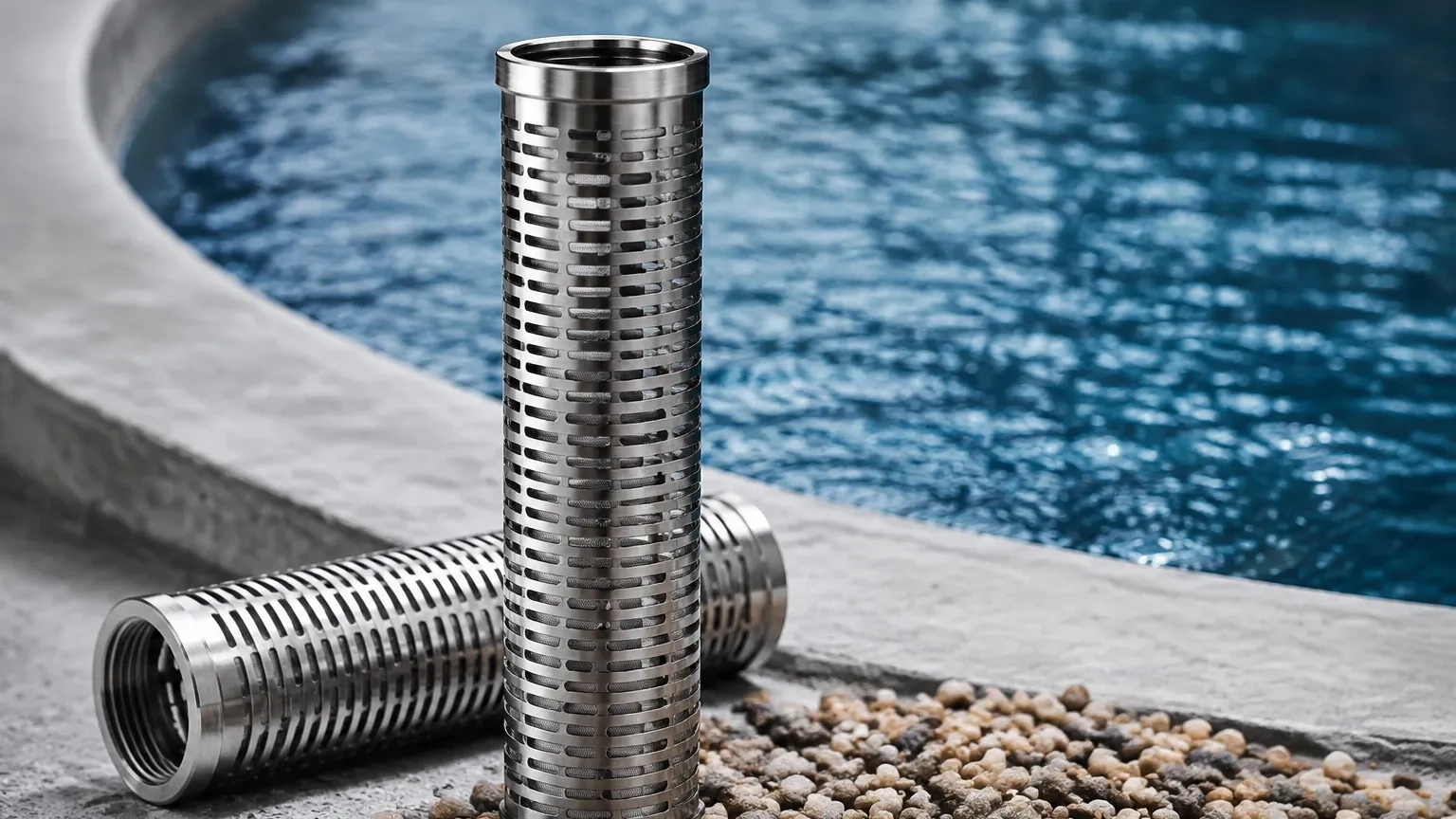
A strainer type tube well consists of a bore hole drilled into the earth, lined with a casing pipe in the non-water-bearing strata and a perforated screen or strainer in the aquifer. The primary function of the strainer is to permit the entry of water into the well while excluding sand, silt, and other particulates from the surrounding geological formation. The selection of the filtration medium—often involving specialized Strainers & Baskets—is the most critical factor in determining the well's yield and lifespan.
Understanding the Strainer Type Tube Well System
The fundamental principle of a strainer type tube well is the creation of a stable interface between the aquifer and the wellbore. Unlike cavity wells, which rely on a natural hollow formed at the base of a clay layer, the strainer type well uses a physical barrier to manage the inflow of water. This allows for the extraction of water from multiple depths or from unconfined aquifers where a stable roof of clay may not exist.
Technically, the system is composed of:
1. The Housing Pipe (Casing): A solid pipe that extends from the surface to the top of the water-bearing stratum. It prevents the borehole from collapsing and protects the well from surface contamination.
2. The Strainer: The perforated or slotted section placed within the aquifer. This component must balance the need for high permeability (to allow water flow) with structural strength (to resist earth pressure).
3. The Blind Pipe: Non-perforated sections placed between different aquifers or used to adjust the total length of the well string.
4. The Bail Plug: A solid cap at the bottom of the strainer string that prevents the entry of material from the base of the well.
Key Components: The Role of Industrial Strainers & Baskets
In industrial filtration contexts, the term "strainer" encompasses a variety of configurations designed to remove solids from fluids. In a strainer type tube well, the strainer acts as the primary filter. The efficiency of this filter is measured by its ability to maintain a low entrance velocity. If water moves too quickly through the strainer openings, it can carry fine sand particles into the well, leading to pump wear and eventual clogging of the aquifer interface.
When evaluating high-performance filtration components, engineers often look to specialized Strainers & Baskets designed for durability. In deep well applications, these components must withstand significant hydrostatic pressure and potential chemical aggression from the groundwater. The design of the strainer—whether it is a simple perforated pipe wrapped with wire mesh or a sophisticated wedge wire screen—directly impacts the hydraulic efficiency of the entire system.
Material Selection for High-Performance Well Strainers
Material selection is perhaps the most significant engineering decision in the design of a strainer type tube well. The choice of material dictates the corrosion resistance, mechanical strength, and longevity of the well. While PVC and mild steel are common in shallow or temporary applications, industrial-grade wells typically require stainless steel.
Stainless Steel (SS304 and SS316)
Stainless steel is the preferred material for high-performance tube well strainers due to its superior resistance to both oxidation and chemical corrosion.
* SS304: Suitable for most freshwater applications where the pH is neutral and chloride levels are low.
* SS316: Recommended for environments with high salinity or acidic groundwater. The addition of molybdenum provides enhanced resistance to pitting and crevice corrosion.
Using stainless steel ensures that the slot openings remain consistent over time. In contrast, materials prone to corrosion can experience "slot enlargement," which allows sand entry, or "encrustation," where corrosion products plug the openings and reduce the well's yield.
Engineering Design: Slot Size and Open Area Calculations
The design of a strainer type tube well is not a "one size fits all" process. It requires a detailed analysis of the aquifer material, typically performed through a sieve analysis of soil samples taken during drilling.
Determining Slot Size
The slot size of the strainer is determined based on the grain size distribution of the aquifer. The standard engineering practice is to select a slot size that retains a specific percentage of the formation material (often the D-40 or D-60 size). This allows the finer particles to be removed during the "well development" phase, creating a natural gravel pack of coarser materials around the strainer, which further enhances filtration.
Open Area Ratio
The "open area" refers to the total percentage of the strainer surface that consists of openings. A higher open area is generally desirable because it:
* Reduces Entrance Velocity: Lower velocity prevents the transport of sand and minimizes the pressure drop (drawdown) across the strainer.
* Minimizes Encrustation: Slower water movement reduces the rate at which dissolved minerals precipitate out of the water and clog the slots.
* Increases Efficiency: A high open area allows the pump to operate more efficiently, reducing energy costs over the life of the well.
Comparing Strainer Types: From Mesh to Wedge Wire
Different geological conditions and flow requirements necessitate different strainer configurations. The evolution of the strainer type tube well has led to several distinct designs:
1. Wire Mesh Wrapped Strainers
This traditional design involves a perforated base pipe wrapped with a fine stainless steel wire mesh. While cost-effective, these can be prone to mechanical damage during installation and may have a lower open area compared to modern alternatives.
2. Slotted Pipes
Often used in very coarse aquifers, these are pipes with longitudinal or transverse slots cut into them. While robust, the total open area is often limited, and the slots can be prone to clogging by angular sand grains.
3. Wedge Wire (V-Wire) Screens
Wedge wire is considered the gold standard for industrial strainer type tube wells. It consists of V-shaped wires resistance-welded onto longitudinal support rods. This design offers several technical advantages:
* Non-Clogging Slots: The V-shape profile means the slot is narrowest at the surface and widens inward. Any particle that passes the outer edge will easily pass through the rest of the screen.
* High Structural Strength: The welded construction provides excellent collapse resistance, even at great depths.
* Maximum Open Area: Wedge wire screens provide significantly more open area than perforated or slotted pipes, maximizing well yield.
Selection Criteria for Industrial and Municipal Applications
When specifying components for a strainer type tube well, engineers must confirm several factors to ensure the system meets the application's demands:
* Flow Rate Requirements: The total volume of water needed per hour determines the required surface area of the strainer. If the aquifer is thin, a more efficient strainer with a higher open area ratio is necessary to achieve the desired flow without excessive drawdown.
* Aquifer Characteristics: Is the formation uniform or stratified? Is the sand fine, medium, or coarse? These factors dictate the slot size and the potential need for an artificial gravel pack.
* Water Chemistry: Testing for pH, CO2, H2S, and chloride levels is essential for choosing the correct grade of stainless steel or specialized alloy.
* Installation Depth: The depth of the well determines the collapse strength requirements for the strainer and casing. Deep wells require thicker-walled components to withstand the external pressure of the earth and water column.
Maintenance and Longevity of Tube Well Filtration Systems
A well-designed strainer type tube well can last for decades, but performance naturally declines over time due to physical, chemical, or biological factors. Maintenance strategies include:
* Well Development: Immediately after installation, the well is surged or over-pumped to remove fine sediments and stabilize the formation around the strainer.
* Chemical Cleaning: If encrustation occurs (common in hard water areas), mild acids or specialized chemicals can be used to dissolve mineral deposits on the strainer surface.
* Backwashing: Reversing the flow of water can help dislodge accumulated particles from the strainer slots.
By selecting high-quality Strainers & Baskets and adhering to rigorous engineering standards during the design phase, industrial operators can ensure that their strainer type tube well provides a reliable, low-maintenance water source. The combination of proper material selection, precise slot sizing, and robust construction is the key to preventing premature well failure and ensuring efficient hydraulic performance in any industrial environment.
