


Strainers Crossword Clue 6 Letters
When searching for a strainers crossword clue 6 letters, the most common technical answers are "SIEVES" or "DRAINS." While these terms satisfy the requirements of a word puzzle, in the context of industrial fluid handling and process engineering, the term "strainer" represents a critical component designed to protect downstream equipment from damage caused by particulate matter.
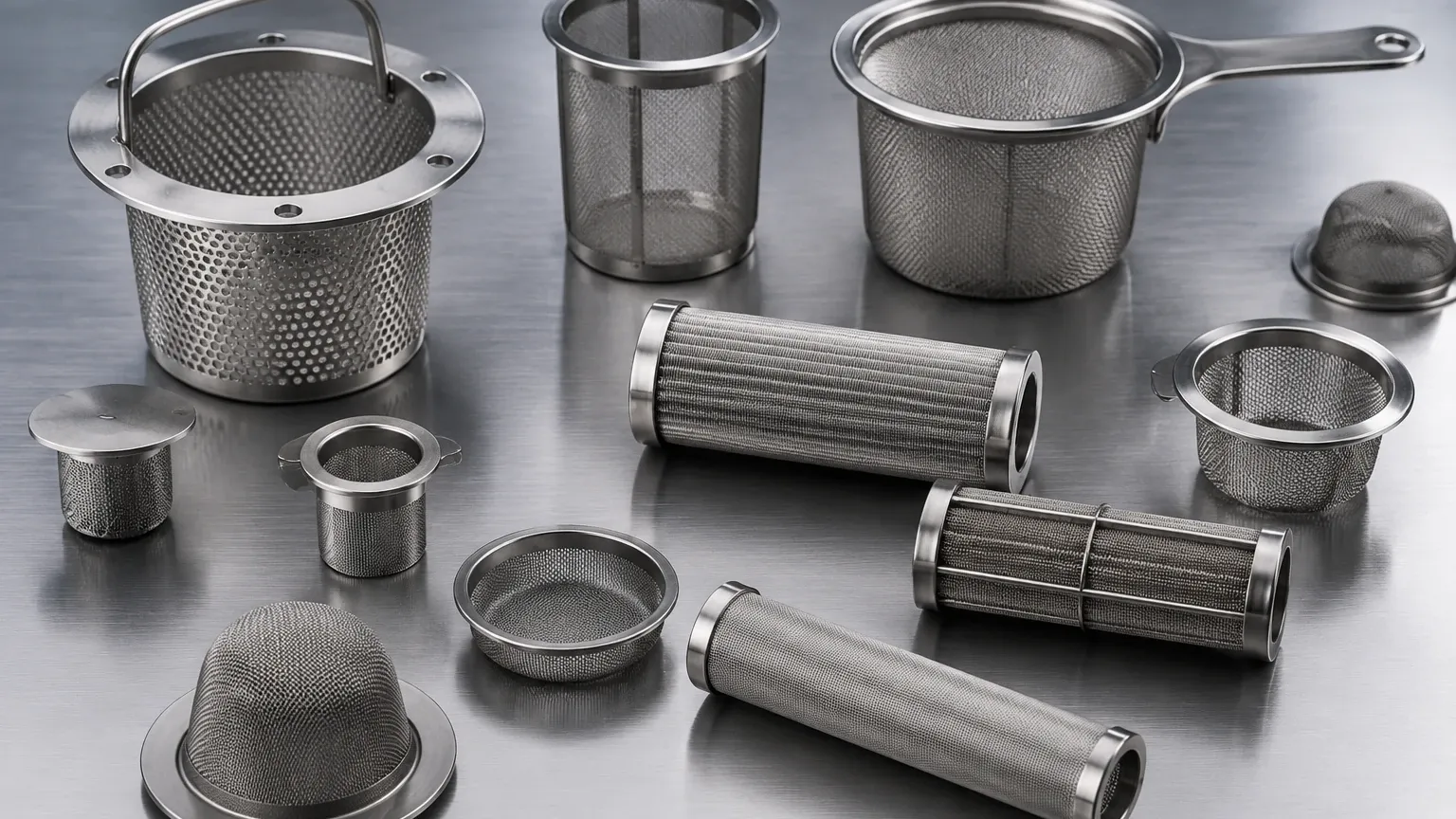
Understanding the distinction between a simple household sieve and industrial Strainers & Baskets is essential for engineers and procurement professionals. In industrial applications, these components are engineered to withstand high pressures, corrosive chemicals, and extreme temperatures while maintaining precise filtration accuracy. This guide explores the technical nuances of industrial strainers, their engineering specifications, and the selection criteria necessary for optimizing process efficiency.
Decoding the Terminology: Sieves vs. Industrial Strainers
In the realm of puzzles, a strainers crossword clue 6 letters might lead you to "SIEVES." Technically, a sieve is a device used for separating wanted elements from unwanted material or for characterizing the particle size distribution of a sample. However, in a B2B manufacturing environment, the terminology shifts toward more specific hardware configurations.
Industrial strainers are essentially closed-system filters that remove solids from a flowing liquid or gas. Unlike disposable filters that may require frequent replacement of the media, strainers typically utilize a reusable metal element—often a basket or a screen—that can be cleaned and returned to service. This distinction is vital for calculating the Total Cost of Ownership (TCO) in chemical processing, food and beverage production, and hydraulic systems.
Core Engineering Principles of Strainers & Baskets
The primary function of an industrial strainer is to protect sensitive equipment such as pumps, valves, meters, and spray nozzles. The design of the strainer basket determines the efficiency of the entire filtration system. Several engineering factors must be considered during the design phase:
1. Open Area Ratio (OAR)
The Open Area Ratio is the relationship between the total area of the holes in the strainer element and the internal cross-sectional area of the inlet pipe. A common industry standard is a 4:1 OAR. This ensures that even as the strainer begins to collect debris, the pressure drop across the unit remains within acceptable limits, preventing cavitation in pumps or system-wide flow restrictions.
2. Pressure Drop (Delta P)
Every strainer introduces a degree of resistance to the flow. Engineers must calculate the clean pressure drop to ensure the system has sufficient head pressure to overcome this resistance. As the basket fills with contaminants, the differential pressure increases. Monitoring this "Delta P" is the standard method for determining when a strainer basket requires cleaning.
3. Micron Rating and Mesh Size
Filtration accuracy is defined by the size of the openings in the mesh or perforated metal. While a strainers crossword clue 6 letters might be a simple word, industrial specifications require precision. Mesh sizes range from coarse (20 mesh) to ultra-fine (400 mesh or higher), depending on the particle size that needs to be retained. For heavy-duty applications, a perforated metal support is often used to provide structural integrity to a finer wire mesh lining.
Types of Industrial Strainer Configurations
Depending on the piping layout and the continuous nature of the process, different strainer configurations are employed:
* Simplex Strainers: These are used in batch processes where the flow can be momentarily stopped to remove and clean the basket. They are cost-effective and simple to maintain.
* Duplex Strainers: For 24/7 operations where flow cannot be interrupted, duplex strainers feature two separate chambers with a diverting valve. This allows one side to be cleaned while the other remains in operation.
* Y-Strainers: Named for their shape, these are typically used for steam or gas lines where the amount of debris is relatively low. They are compact and can be installed in either horizontal or vertical orientations.
* T-Strainers: These offer a straight-through flow path and are often used in larger pipe diameters where space is a constraint and high-flow capacity is required.
Material Selection for Durability
In industrial filtration, the choice of material is dictated by the chemical compatibility of the fluid and the operating environment. Stainless steel is the industry standard for high-performance applications due to its mechanical strength and resistance to oxidation.
* 304 Stainless Steel: Suitable for general-purpose applications, providing good corrosion resistance in water treatment and food processing.
* 316L Stainless Steel: Contains molybdenum, which provides superior resistance to chlorides and pitting. This is the preferred material for pharmaceutical and marine applications where chemical aggression is a concern.
* Specialty Alloys: For highly corrosive environments involving concentrated acids or high-temperature steam, materials like Monel, Hastelloy, or Titanium may be required for the strainer baskets.
Customization and OEM Capabilities
Standard off-the-shelf strainers often fail to meet the specific requirements of complex industrial systems. Custom manufacturing allows for the optimization of the filtration element based on unique process variables. Customization options often include:
* Reinforced Baskets: For high-pressure applications where the differential pressure might cause a standard basket to collapse.
* Magnetic Inserts: Used to capture fine ferrous particles that might otherwise pass through a standard mesh.
* Unique Handle Designs: To facilitate easier removal and ergonomic handling during maintenance cycles.
* Custom Flange Connections: Ensuring the strainer fits perfectly into existing piping without the need for expensive adapters.
As a professional manufacturer, Kaifil specializes in these types of custom stainless steel filtration solutions, providing reliable OEM components that meet precise engineering tolerances. Whether the application requires a simple wire mesh filter or a complex multi-layered stainless steel filter cartridge, the focus remains on durability and filtration performance.
Performance Evaluation: What Engineers Should Confirm
Before finalizing a purchase for industrial strainers, technical teams should evaluate the following criteria to ensure long-term reliability:
1. Flow Velocity: High-velocity streams can cause erosion of the strainer mesh. It is generally recommended to keep liquid velocities below 10 feet per second (fps) in the strainer body.
2. Viscosity Impact: High-viscosity fluids (such as heavy oils or syrups) create a higher pressure drop. The strainer must be oversized or the mesh coarsened to accommodate these fluids.
3. Particle Loading: If the fluid contains a high concentration of solids, a larger basket volume is necessary to extend the time between cleaning cycles.
4. Seal Integrity: The choice of gasket or O-ring material (Buna-N, EPDM, Viton, or PTFE) must be compatible with the process fluid to prevent bypass and external leaks.
Maintenance and Total Cost Considerations
While the initial purchase price of a strainer is an important factor, the long-term costs associated with maintenance and downtime are often more significant. A well-engineered strainer basket that is easy to clean and built to withstand repeated handling will ultimately provide a better return on investment.
Automated differential pressure sensors are frequently integrated into modern systems to provide real-time alerts for maintenance. This prevents the risk of basket rupture or pump starvation. Furthermore, choosing a manufacturer that offers high-quality replacement baskets ensures that the original filtration specifications are maintained throughout the life of the equipment.
Conclusion
While a strainers crossword clue 6 letters might lead to a quick answer in a puzzle, selecting the right industrial strainer is a complex engineering task. From material selection and Open Area Ratios to the choice between simplex and duplex configurations, every detail impacts the efficiency and safety of an industrial process.
By focusing on high-quality stainless steel construction and customized designs, manufacturers like Kaifil provide the precision components necessary for demanding applications in the chemical, pharmaceutical, and food industries. When the goal is protecting expensive machinery and ensuring product purity, investing in engineered Strainers & Baskets is a fundamental requirement for any robust industrial system.
