


Engineering Guide to Wire Mesh Filter Cartridge Selection and Performance
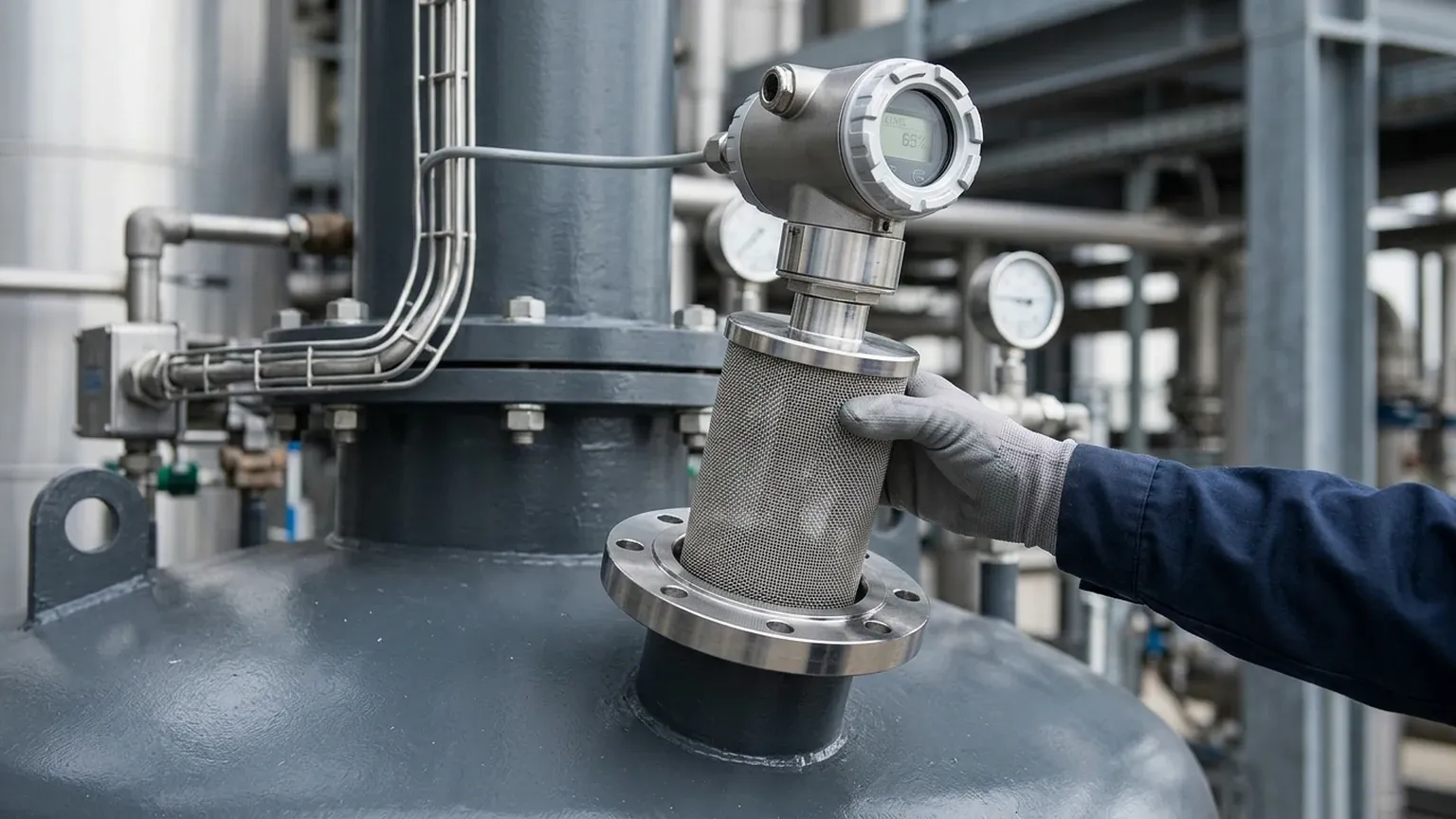
In industrial process engineering, the selection of filtration media directly impacts system efficiency, product purity, and long-term operational costs. The wire mesh filter cartridge has emerged as a critical component for applications requiring high thermal stability, chemical resistance, and the ability to be cleaned and reused. Unlike disposable polymer-based filters, stainless steel wire mesh provides a rigid, fixed-pore structure that maintains its integrity under high-pressure differentials and aggressive fluid environments.
For engineers and procurement professionals, understanding the technical nuances of these components is essential for optimizing filtration systems. This guide examines the engineering principles, material considerations, and selection criteria necessary to implement effective filtration solutions using Wire Mesh Filter Cylinders & Tubes.
Understanding the Fundamentals of Wire Mesh Filtration
At its core, a wire mesh filter cartridge operates on the principle of surface filtration. Particles larger than the mesh opening are trapped on the upstream surface of the media, forming a "filter cake" that can, in some instances, enhance filtration efficiency until the pressure drop becomes too high.
Weave Patterns and Pore Geometry
The performance of a wire mesh cartridge is largely determined by the weave pattern of the stainless steel cloth. Common weaves include:
* Plain Weave: The simplest design where wires cross over and under each other. This offers the highest open area and lowest pressure drop but is generally limited to coarser filtration (above 50 microns).
* Twill Weave: Each shute wire passes successively over and under two warp wires. This allows for heavier wire diameters in a given mesh count, increasing the strength of the cartridge.
* Dutch Weave (Plain and Twill): These weaves utilize different wire diameters for the warp and shute. This creates a dense, tortuous path for the fluid, allowing for much finer filtration ratings (down to 1 micron) while maintaining high mechanical strength.
Surface vs. Depth Filtration
While a single-layer wire mesh is a pure surface filter, modern industrial designs often utilize multi-layer sintered mesh. By vacuum-sintering multiple layers of wire cloth together, engineers can create a medium that combines the precise pore size of surface filtration with the dirt-holding capacity of depth filtration. This structure prevents media migration and ensures that the pore size remains constant even under high-pressure surges.
Material Selection and Structural Integrity
Industrial filtration environments often involve corrosive fluids or extreme temperatures. The material of construction for a wire mesh filter cartridge is the first line of defense against premature failure.
Stainless Steel Grades
* AISI 304: The standard grade for general industrial use, offering good corrosion resistance in water and mild chemical applications.
* AISI 316L: The preferred choice for pharmaceutical and chemical processing due to its low carbon content and the addition of molybdenum, which enhances resistance to pitting and crevice corrosion in chloride-rich environments.
* Specialty Alloys: For highly aggressive environments, alloys such as Hastelloy, Inconel, or Monel may be used to ensure the longevity of the filter element.
Structural Components
A cartridge is more than just the mesh. To withstand the differential pressures encountered in hydraulic or high-viscosity fluid processing, the mesh must be supported by a robust internal core. These cores, typically made from perforated metal or expanded metal, provide the necessary hoop strength to prevent the mesh from collapsing. Furthermore, the end caps—available in configurations such as DOE (Double Open End), SOE (Single Open End) with 222 or 226 O-ring fittings—must be joined to the mesh using advanced welding techniques. Plasma or TIG welding is preferred over adhesives to ensure a bypass-free construction and to maintain compatibility with high-temperature sterilization processes.
Performance Metrics: Micron Ratings and Pressure Drop
When specifying Wire Mesh Filter Cylinders & Tubes, engineers must distinguish between nominal and absolute micron ratings.
Micron Rating Accuracy
* Nominal Rating: An arbitrary value indicating the ability of the filter to retain a majority of particles at a specific size. It does not guarantee 100% retention.
* Absolute Rating: The diameter of the largest hard spherical particle that will pass through the filter under specified test conditions. For critical pharmaceutical or fine chemical applications, absolute-rated cartridges are mandatory to ensure process consistency.
The Relationship Between Flow Rate and Differential Pressure (ΔP)
The pressure drop across a wire mesh filter cartridge is a function of the fluid viscosity, flow velocity, and the open area of the mesh. A common engineering mistake is undersizing the filter, which leads to high initial ΔP and shorter cleaning cycles.
To calculate the expected pressure drop, engineers should use the formula:
ΔP_total = ΔP_housing + ΔP_element
As the filter accumulates contaminants, the ΔP increases. In most industrial systems, a cartridge is considered ready for cleaning or replacement when the differential pressure reaches 1.0 to 1.5 bar (15-22 psi), though the structural limit of the cartridge may be significantly higher.
Customization and Design Variations in Wire Mesh Filter Cylinders & Tubes
Standard catalog items often fall short in specialized industrial machinery. Customization is frequently required to balance filtration efficiency with the physical constraints of the equipment.
Pleated vs. Cylindrical Designs
* Cylindrical Cartridges: These consist of a simple wrap of mesh around a core. They are easy to clean and ideal for high-viscosity fluids or applications with low solids loading.
* Pleated Cartridges: By pleating the wire mesh, the effective filtration area can be increased by 3 to 10 times compared to a cylindrical design of the same dimensions. This results in lower flux rates (flow per unit area), lower initial pressure drops, and significantly longer service life between cleanings.
End Cap Configurations and Sealing
Proper sealing is vital to prevent fluid bypass. Engineers must specify the correct elastomer for O-rings or gaskets based on chemical compatibility and operating temperature. Common materials include Nitrile (Buna-N), EPDM, Viton (FKM), and PTFE-encapsulated silicone. The mechanical interface, whether it is a bayonet lock (226) or a flat gasket, must ensure a positive seal even under thermal expansion and contraction.
Operational Maintenance and Cleaning Procedures
One of the primary advantages of a stainless steel wire mesh filter cartridge is its cleanability. Unlike synthetic media that must be discarded, metal mesh can be restored to near-original performance through various cleaning protocols.
Backwashing and Back-pulsing
In automated systems, flow reversal (backwashing) can dislodge the filter cake. This is particularly effective for surface filtration media. The velocity of the backwash fluid must be sufficient to overcome the adhesion of the particles to the mesh without damaging the mesh structure.
Ultrasonic Cleaning
For fine Dutch-weave mesh where particles may become wedged within the weave (interstitial plugging), ultrasonic cleaning is the most effective method. High-frequency sound waves create cavitation bubbles that implode, releasing energy that dislodges microscopic contaminants from deep within the mesh.
Chemical Cleaning
In applications involving organic resins, polymers, or biological matter, chemical cleaning may be necessary. This involves soaking the cartridge in caustic solutions, acids, or solvents. It is imperative that the cleaning agents are compatible with both the stainless steel grade and the sealing elastomers used in the cartridge construction.
Critical Considerations for Industrial Procurement
For purchasing teams and engineers, selecting a supplier for Wire Mesh Filter Cylinders & Tubes involves more than comparing unit prices. The total cost of ownership (TCO) is influenced by the durability of the cartridge and the frequency of the replacement cycle.
Technical Specification Checklist
Before placing an order, the following parameters should be verified:
1. Micron Rating: Specify whether Absolute or Nominal is required.
2. Dimensions: Confirm Outer Diameter (OD), Inner Diameter (ID), and overall length (including end caps).
3. Operating Conditions: Maximum operating temperature and maximum allowable differential pressure.
4. Fluid Characteristics: Viscosity, pH level, and the nature of the contaminants (deformable vs. hard particles).
5. Compliance: For food and beverage or pharmaceutical applications, ensure materials are FDA-compliant or meet USP Class VI standards.
Quality Assurance in Manufacturing
High-quality wire mesh cartridges should undergo rigorous testing. This includes the "Bubble Point Test" (per ISO 2942) to verify the integrity of the mesh and the absence of bypass leaks in the welds. Furthermore, the cleanliness of the cartridge post-manufacturing is essential, especially in hydraulic systems where residual manufacturing debris can damage sensitive downstream valves and pumps.
Conclusion
The wire mesh filter cartridge remains a cornerstone of industrial filtration due to its versatility, strength, and reusability. By carefully selecting the appropriate weave, material, and structural design, engineers can achieve precise separation results even in the most demanding environments. Whether the application involves high-pressure hydraulic oil, corrosive chemical processing, or sterile pharmaceutical filtration, the implementation of high-quality Wire Mesh Filter Cylinders & Tubes ensures process reliability and optimized operational efficiency. When specifying these components, focusing on technical data and application-specific requirements will always yield a superior return on investment compared to generic filtration alternatives.
