


Homemade Woven Wire Fence Unroller: Engineering and Application Guide for Industrial Mesh Handling
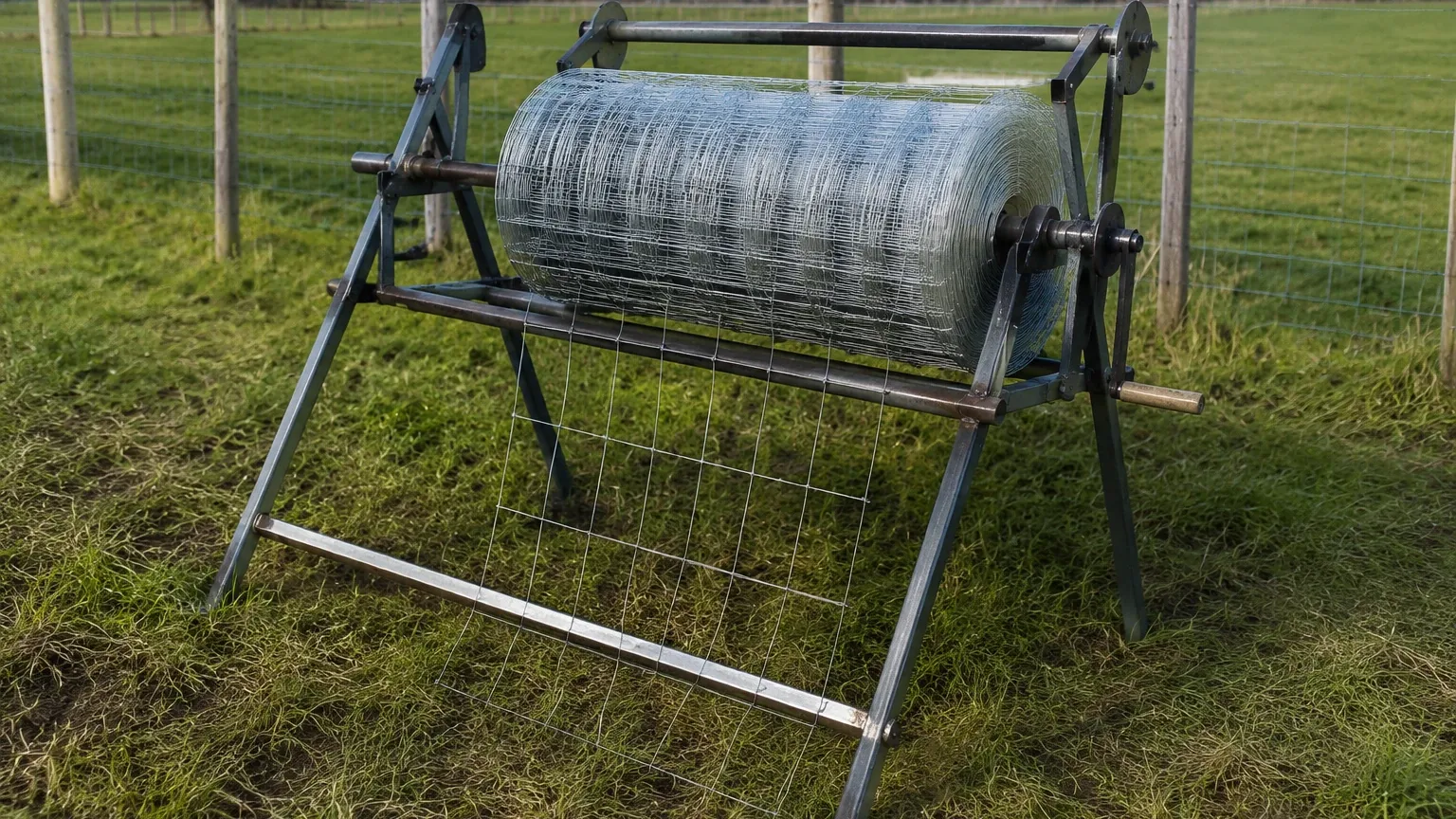
In industrial fabrication and large-scale filtration assembly, the efficient handling of bulk materials is a critical factor in operational productivity. One of the most common challenges faced by maintenance engineers and production managers is the safe and precise dispensing of heavy rolls of wire. Whether for perimeter security or industrial filtration substrates, a homemade woven wire fence unroller—or a custom-built industrial mesh dispenser—can significantly reduce labor costs and prevent material damage.
When dealing with high-quality Woven Wire Mesh, improper unrolling techniques can lead to permanent deformation, kinking, or "telescoping" of the roll. This guide examines the technical requirements for designing and constructing a custom unrolling solution tailored for industrial environments, focusing on material integrity and mechanical efficiency.
The Engineering Necessity for Custom Unrolling Solutions
Standard industrial rolls of stainless steel mesh often weigh several hundred pounds and possess significant stored kinetic energy due to the tensile strength of the wire. Manually unrolling these materials is not only a safety risk for personnel but also a technical risk for the product.
Material Integrity and Precision
Industrial-grade mesh, particularly those used in fine filtration (such as Dutch weave or high-mesh-count plain weaves), is sensitive to surface abrasion and structural distortion. A dedicated unroller ensures that the mesh is pulled evenly across its entire width. Without a controlled spindle and tensioning system, the mesh may snag, causing the individual wires to shift. This shift can alter the micron rating or the structural uniformity of the filter element, rendering the material useless for precision applications.
Ergonomics and Labor Efficiency
In a B2B environment, time is a direct cost. A homemade woven wire fence unroller designed for industrial use allows a single operator to dispense and cut specific lengths of mesh without assistance. By utilizing mechanical advantage—such as bearings and lever arms—the physical strain on the workforce is minimized, reducing the likelihood of workplace injuries related to heavy lifting or repetitive motion.
Key Components of an Industrial-Grade Unroller
Designing a custom unrolling system requires a focus on structural rigidity and smooth mechanical rotation. While the term "homemade" might suggest a simple DIY project, an industrial application demands engineering precision.
1. The Main Frame and Chassis
The frame must be constructed from heavy-wall steel tubing or C-channel to support the static and dynamic loads of a full roll. For mobile units, heavy-duty locking casters are essential to allow the unroller to be moved between workstations while remaining stable during the dispensing process.
2. Spindle and Axle Design
The spindle is the core of the unroller. It must be sized to fit the internal diameter of the mesh roll core (typically 3 inches or larger for industrial rolls). Using a solid steel shaft or a thick-walled pipe prevents sagging. To ensure low-friction rotation, the axle should be mounted on pillow block bearings. This allows for a smooth, consistent pull, which is vital when feeding mesh into automated cutting or pleating machines.
3. Tensioning and Braking Systems
One of the most overlooked features of a homemade woven wire fence unroller is the braking mechanism. When an operator stops pulling the mesh, the momentum of a heavy roll can cause it to continue spinning, resulting in "over-run" or bird-nesting of the material. A simple friction brake—such as a spring-loaded clamp or a weighted strap over the axle—provides enough resistance to stop the roll immediately when tension is released.
Design Considerations for Different Mesh Types
Not all Woven Wire Mesh is created equal. The design of your unroller should reflect the specific characteristics of the material you are processing.
High-Tensile Stainless Steel
Materials like SS304 or SS316L have high yield strengths. When these are wound into tight rolls, they act like a large spring. The unroller must have a robust "hold-down" bar or a series of rollers to flatten the mesh as it leaves the roll, ensuring it lies flat on the cutting table.
Fine Micron Mesh
For filtration-grade mesh with very high thread counts, the surface of the unroller's contact points must be non-marring. Using PVC sleeves or rubber-coated rollers prevents the metal-on-metal contact that can scratch or puncture delicate weaves. If you are working with Plain, twill and dutch woven wire mesh in SS304/316L — rolls, cut mesh and framed panels. Send mesh count or micron target for a technical quote., maintaining the cleanliness and surface finish of the material is paramount for the final filter's performance.
Step-by-Step Construction Logic for a Shop-Built Unroller
For engineers looking to implement a custom dispensing solution, the following workflow provides a technical roadmap:
1. Load Calculation: Determine the maximum weight of the rolls you intend to handle. A standard 48-inch wide roll of heavy-duty mesh can exceed 200 lbs. Design the frame with a safety factor of at least 2.0.
2. Material Selection: Use square steel tubing (2" x 2" with 1/8" wall thickness is a common choice) for the base. This provides excellent torsional rigidity.
3. Bearing Integration: Weld or bolt pillow block bearings to the upright supports. Ensure they are perfectly aligned to prevent the axle from binding.
4. The Spindle: Use a cold-rolled steel shaft. If the mesh rolls have different core sizes, consider creating tapered "cones" that slide onto the shaft to center and secure the roll.
5. Alignment Guides: Add adjustable vertical guides to the front of the unroller. These keep the mesh tracking straight as it is pulled, which is critical for maintaining square cuts.
Safety Protocols and Risk Mitigation
Operating a homemade woven wire fence unroller in an industrial setting requires strict adherence to safety protocols. The edges of stainless steel mesh are notoriously sharp and can cause severe lacerations.
* Edge Protection: Ensure the unroller design includes a path that keeps the operator's hands away from the mesh edges.
* Stability: Always ensure the unit is either bolted to the floor or that the casters are fully locked before attempting to pull material.
* Pinch Points: Clearly mark all mechanical pinch points near the bearings and spindle to prevent injury during loading and unloading.
Maintenance of Custom Dispensing Equipment
To ensure the longevity of a custom-built unroller, a routine maintenance schedule should be established:
* Lubrication: Grease the pillow block bearings every six months or more frequently in high-dust environments (such as chemical processing plants).
* Structural Integrity: Inspect welds and bolt connections for signs of fatigue or stress cracking, especially if handling rolls at the upper limit of the design capacity.
* Surface Cleaning: Wipe down the spindle and guide rollers regularly to prevent the buildup of metal shavings or oils that could contaminate the mesh.
Conclusion: Balancing Customization with Quality
While a homemade woven wire fence unroller provides a cost-effective solution for many workshops, the quality of the output is ultimately dependent on the quality of the input. Selecting the right specifications for your Woven Wire Mesh—including the correct alloy, weave type, and wire diameter—is the first step toward a successful filtration or fabrication project.
By combining a well-engineered custom unroller with high-performance materials, industrial facilities can optimize their production workflows, reduce waste, and ensure that every cut of mesh meets the rigorous standards required for modern industrial applications. Whether you are building a simple skid-mounted dispenser or a complex mobile workstation, focusing on the mechanical principles of tension, alignment, and safety will yield the best long-term results for your operation.
